 Save
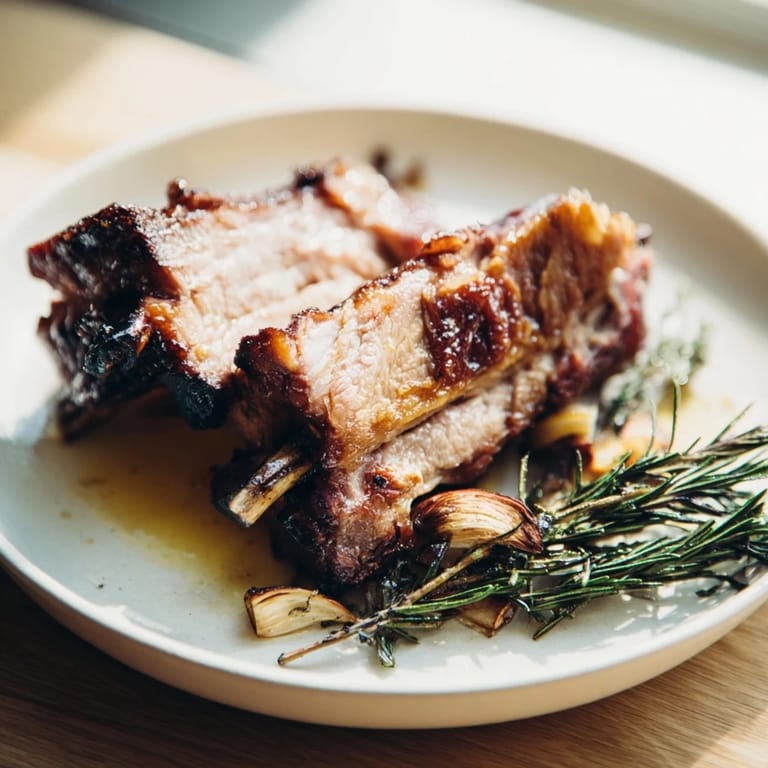
Save The smell hit me before I even opened the oven door. Sweet cider, crisp rosemary, pork fat rendering slow and golden. I was hosting my first real dinner party, the kind where you pretend you know what you're doing, and I'd chosen a pork shoulder because it felt forgiving. Four hours later, the kitchen smelled like confidence, and I realized I'd stumbled onto something I'd make for years.
I made this for my brother's birthday one autumn, and he barely looked up from his plate for twenty minutes. Later, he told me it reminded him of something our grandmother used to make, though she never cooked pork like this. Sometimes a dish just lands in the right moment, and it becomes part of the rotation without you deciding.
Ingredients
- Bone-in pork shoulder: The bone adds flavor and helps the meat stay moist during the long roast. Look for one with a good layer of fat and don't skip scoring the skin.
- Olive oil: Helps the seasoning stick and starts the browning process early. I use regular olive oil here, nothing fancy.
- Kosher salt and black pepper: Simple seasoning that lets the pork and glaze do the talking. Don't be shy with the salt on a big cut like this.
- Onion and garlic: They soften into the pan drippings and create a fragrant base that flavors the meat from below. Smash the garlic with the side of your knife to release the oils.
- Fresh rosemary and thyme: Woody herbs that hold up to long cooking and smell like Sunday dinner. If you only have one, use what you've got.
- Apple cider: The backbone of the glaze. Use the good stuff from the orchard if you can find it, not the clear juice from a bottle.
- Apple cider vinegar: Cuts through the richness and keeps the glaze from tasting too sweet. A little goes a long way.
- Dijon mustard: Adds a subtle sharpness and helps the glaze cling to the pork. Yellow mustard works in a pinch, but Dijon tastes more grown up.
- Light brown sugar: Balances the acidity and encourages caramelization in that final high-heat blast.
- Unsalted butter: Whisked in at the end, it gives the glaze a silky finish and a little extra richness.
Tired of Takeout? 🥡
Get 10 meals you can make faster than delivery arrives. Seriously.
One email. No spam. Unsubscribe anytime.
Instructions
- Prep the pork:
- Pat the shoulder completely dry with paper towels, then rub it all over with olive oil, salt, and pepper. The drier the surface, the better the skin will crisp later.
- Build the aromatic base:
- Scatter the onion, garlic, rosemary, and thyme across the bottom of your roasting pan. Nestle the pork on top, skin side up, so it sits on a fragrant pillow that will flavor the drippings.
- Slow roast:
- Slide the pan into a 300°F oven and let it go for four hours, basting with the pan juices every hour. The meat will shrink a bit, the fat will start to melt, and your kitchen will smell incredible.
- Make the glaze:
- While the pork roasts, combine cider, vinegar, mustard, brown sugar, and pepper in a saucepan. Boil, then simmer until it reduces by half and coats the back of a spoon, about 20 minutes. Whisk in the butter and keep it warm.
- Finish hot and glazed:
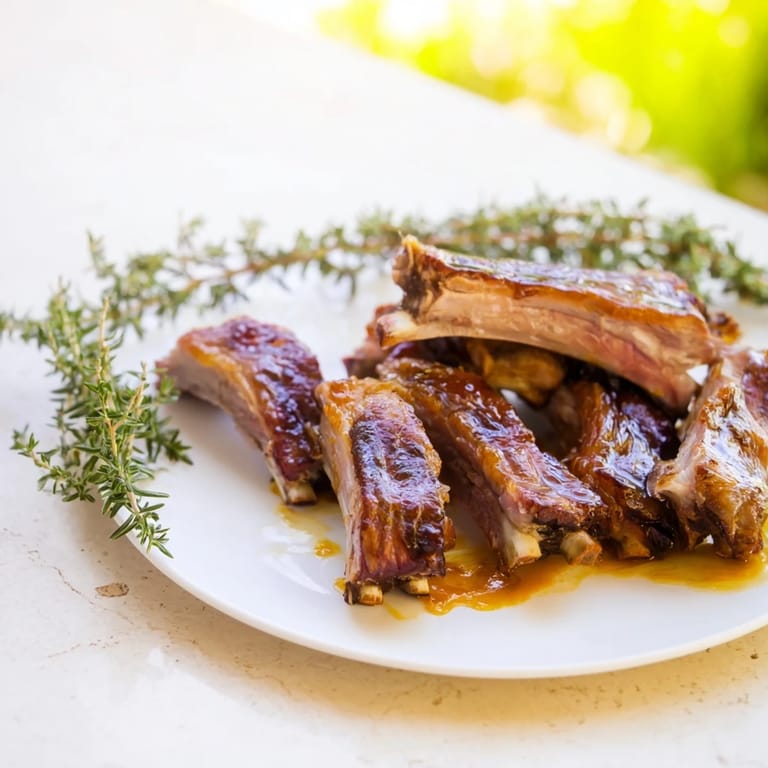
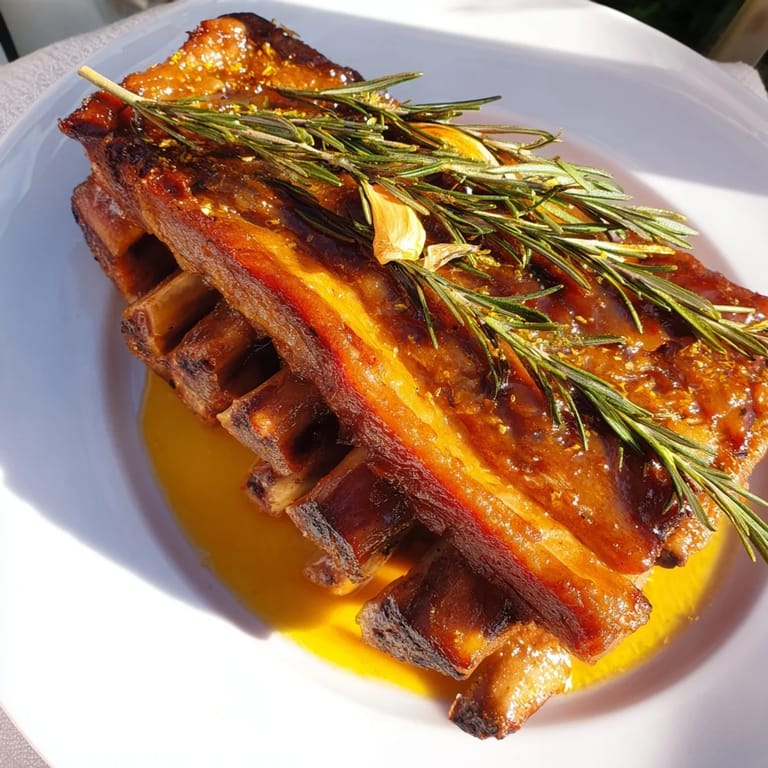
- Crank the oven to 425°F, brush the pork generously with glaze, and roast another 20 to 30 minutes. Brush again halfway through until the skin turns deep amber and crackles at the edges.
- Rest and serve:
- Let the pork rest under loose foil for 20 minutes before slicing or pulling it apart. Drizzle with the remaining glaze and watch it disappear.
 Save
Save One night I served this with mashed potatoes and roasted carrots, and my neighbor asked if I'd been cooking all day. I told her the truth, that I'd spent most of the afternoon reading on the couch while the oven did the work. She didn't believe me, and I took that as a compliment.
What to Serve Alongside
Roasted root vegetables soak up the glaze beautifully, and mashed potatoes turn into a vehicle for every last drop of pan drippings. I've also made a quick apple slaw with shredded cabbage, tart apple, and a cider vinaigrette that echoes the glaze without competing. Keep it simple and let the pork be the star.
Leftover Magic
Shred the leftovers and toss them with a little glaze, then pile them onto soft rolls for sandwiches that taste better than the original dinner. I've also stirred cold pork into scrambled eggs with sharp cheddar, used it in quesadillas, and once made a hash with potatoes and caramelized onions that my husband still asks about. A good roast keeps giving.
Glaze Variations and Timing
If you want a boozier glaze, swap half the cider for hard cider and let it reduce a little longer. The mustard can be grainy or smooth, and a teaspoon of fresh thyme in the glaze adds an herbal note that ties it all together. Make the glaze while the pork is in its third hour so it's ready when you need it.
- Taste the glaze before brushing and adjust sweetness or tang to your preference.
- Extra glaze keeps in the fridge for a week and works on chicken or roasted vegetables.
- If the glaze gets too thick, thin it with a splash of cider or water over low heat.
 Save
Save This is the kind of recipe that makes you look like you know what you're doing, even if you're winging it. Serve it once, and people will ask you to make it again.
Recipe FAQs
- → What is the best way to achieve crispy skin on pork shoulder?
After slow roasting, increase oven temperature or finish under the broiler for 2–3 minutes while brushing with glaze to crisp and caramelize the skin.
- → Can I prepare the cider glaze ahead of time?
Yes, the apple cider glaze can be made in advance and gently reheated before glazing the pork for convenience.
- → What herbs complement the pork shoulder during roasting?
Fresh rosemary and thyme are used in the roasting pan to infuse aromatic flavor into the pork throughout cooking.
- → How do I keep the pork moist during the long roasting time?
Basting hourly with pan juices and slow cooking at low temperature help retain moisture and tenderness.
- → What sides pair well with this slow-roasted pork?
Roasted root vegetables, mashed potatoes, or a crisp apple slaw complement the sweet and savory notes beautifully.