 Save
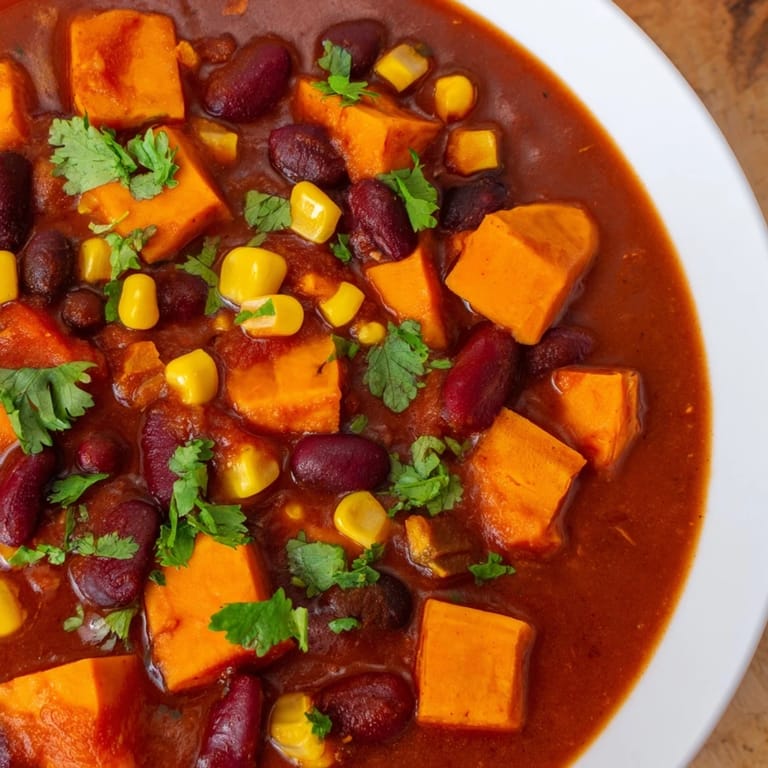
Save There's something about the first cold snap of autumn that makes me crave this chili. I was standing in my kitchen on a gray October afternoon, watching the leaves drift past the window, when I realized I had a surplus of sweet potatoes from the farmers market and absolutely nothing planned for dinner. The idea came to me in fragments—those warm spices I loved, the richness of beans, a hint of smoke. By the time my roommate came home, the whole apartment smelled like cinnamon and paprika, and I knew I'd stumbled onto something worth making again and again.
I made this for a dinner party once, and someone asked if it was vegan while eyeing the cilantro garnish. When I said yes—or could be—they looked genuinely surprised. That's when I realized how often we assume heartiness requires meat, and how wrong we usually are. Watching people go back for seconds, adding their own toppings, making it their own version, felt like the highest compliment.
Ingredients
- Olive oil: Use a good-quality oil here since you're building flavor early; it carries the aroma of the onions and garlic beautifully.
- Onion and garlic: These are your flavor foundation, so don't rush them—let them soften and turn golden, not just translucent.
- Sweet potatoes: Cut them into roughly ¾-inch cubes so they cook evenly and stay tender without falling apart.
- Bell peppers: Both colors add sweetness and brightness; the red ones add a subtle fruity note that balances the smokiness.
- Jalapeño: Optional, but it's worth the seeds and the minimal heat—it keeps the palate from getting too comfy.
- Chili powder and smoked paprika: These two are the soul of the dish; don't skimp on either, and buy them fresh if you can.
- Cumin, coriander, and cinnamon: That cinnamon might seem odd, but it's the secret ingredient that gives the chili depth and a subtle warmth.
- Diced tomatoes and tomato paste: The paste concentrates flavor; stir it in with the spices so it blooms and releases its richness.
- Vegetable broth: Use good broth if you have it—it becomes the backbone of the final dish.
- Beans: Black and kidney beans give you different textures and a protein boost; rinse canned ones to reduce sodium.
- Corn: It adds a bit of sweetness and texture; frozen is honestly better than fresh here since it's picked at peak ripeness.
- Lime juice and cilantro: These finish the dish with brightness and a fresh herbaceous note that cuts through the richness.
Tired of Takeout? 🥡
Get 10 meals you can make faster than delivery arrives. Seriously.
One email. No spam. Unsubscribe anytime.
Instructions
- Sauté your aromatics:
- Pour the olive oil into a large pot and let it shimmer. Add the diced onion and cook gently for 3 to 4 minutes, stirring now and then, until it's soft and starting to turn golden. You'll know it's ready when the kitchen smells sweet and savory at once.
- Add the vegetables:
- Stir in the garlic, sweet potatoes, bell peppers, and jalapeño. Let everything cook together for about 5 minutes, turning it over occasionally with a wooden spoon. The vegetables will start to soften slightly and release their own juices.
- Bloom the spices:
- Sprinkle in the chili powder, smoked paprika, cumin, coriander, cinnamon, oregano, salt, and pepper. Stir everything together so the spices coat all the vegetables, then let it sit undisturbed for about a minute. You'll smell the spices waking up—that's the sign they're releasing their oils and flavor.
- Build the liquid base:
- Add the diced tomatoes, tomato paste, and vegetable broth. Stir well, scraping the bottom of the pot to loosen any browned bits. This is where the chili really takes shape.
- Simmer the sweet potatoes:
- Bring everything to a boil, then lower the heat to a gentle simmer. Cover the pot and let it cook for about 20 minutes, until the sweet potatoes are soft but not falling apart. Peek in once or twice and give it a stir.
- Add the beans and corn:
- Stir in the black beans, kidney beans, and corn. Let the chili simmer uncovered for another 15 to 20 minutes, stirring occasionally, until the liquid has reduced and thickened and the sweet potatoes are completely tender. The chili will darken slightly and become more cohesive.
- Finish with brightness:
- Turn off the heat and squeeze in the lime juice, then fold in the cilantro. Taste it and adjust the salt and pepper as needed. This final step lifts everything and keeps the chili from feeling heavy.
 Save
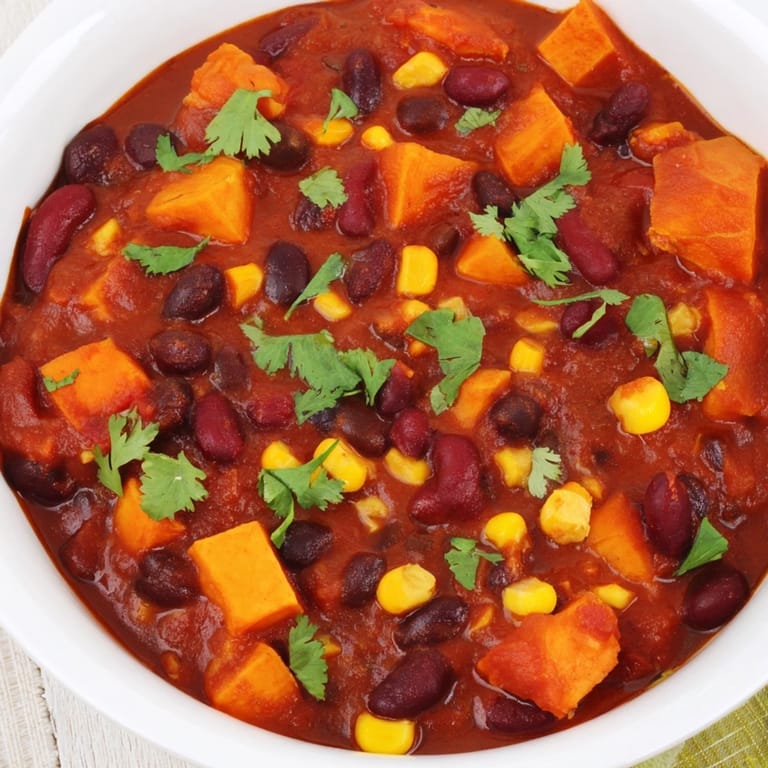
Save My mother-in-law ate a bowl of this and told me it reminded her of a recipe her grandmother used to make, except hers had meat. Then she paused and said, 'But I think I like yours better.' That moment felt like permission to keep making things my own way, to trust my instincts in the kitchen even when they led me somewhere unexpected.
On Sweetness and Heat
There's a tension in this chili between the sweetness of the potatoes and corn and the smokiness of the paprika, with just a whisper of cinnamon holding them together. The jalapeño, if you choose to include it, doesn't overpower—it just keeps you honest. Some nights I've made this milder, some nights I've added a whole chipotle pepper in adobo sauce and let the smoke take over. The beauty is that you can adjust this chili to match your mood, your season, what you have on hand.
Serving and Toppings
Serve this hot, in a deep bowl, and let people add what they want on top. I've learned that the toppings matter as much as the chili itself—they give everyone a chance to make the dish their own. Some people reach for avocado, some for cheese, some for a handful of tortilla chips that get pleasantly soggy. A dollop of sour cream or Greek yogurt swirled into the bowl adds richness and cools the spice just slightly. Over rice, with crusty bread, or even spooned into roasted sweet potato halves—it all works beautifully.
Storage and Make-Ahead Magic
This chili actually improves after a day in the refrigerator, as the flavors deepen and marry together. It freezes beautifully for up to three months, so there's real value in doubling the recipe when you have the time and motivation. I label mine with the date and keep a running list of what's in the freezer so I'm not surprised by mushrooms when I was expecting corn. On brutal winter mornings, there's nothing better than remembering you have a container of warmth waiting in the freezer.
- Let the chili cool completely before freezing, and leave a little headspace in the container for expansion.
- Thaw overnight in the refrigerator, then reheat gently on the stovetop with a splash of broth if it seems thick.
- The flavors often intensify after freezing, so taste and adjust seasonings when you reheat.
 Save
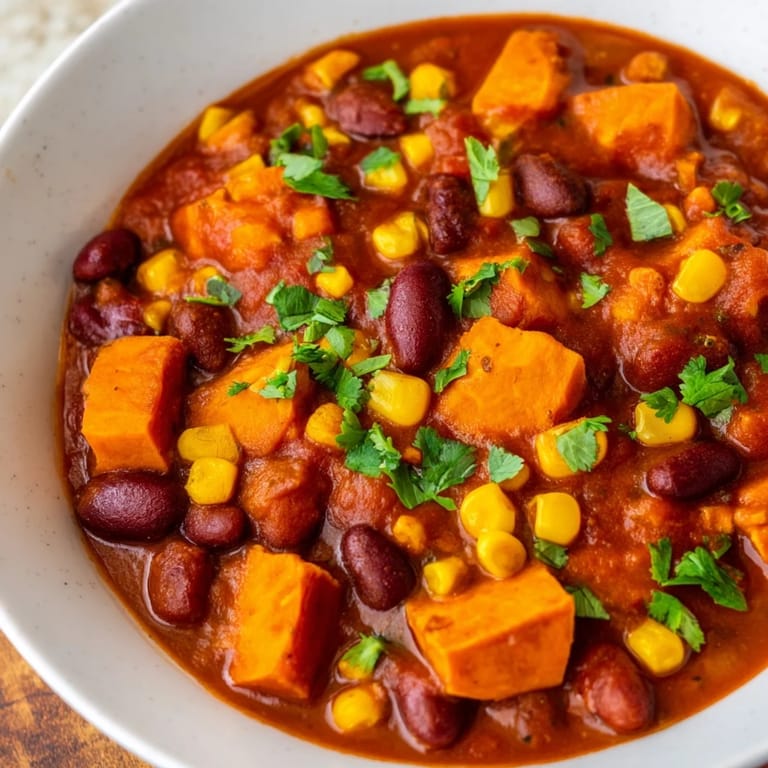
Save This chili has become the kind of recipe I make without thinking too hard, the one that always lands. It's become a language between me and the people I cook for, a way of saying I'm thinking of you and want you to feel warm.