 Save
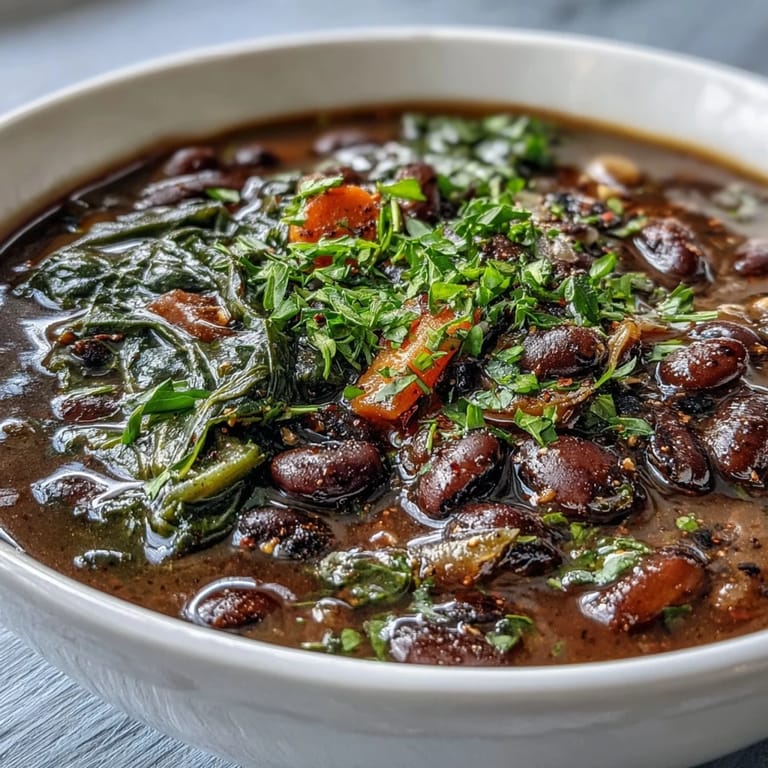
Save My grandmother's kitchen smelled like earth and smoke on the first cold afternoon she taught me this stew, steam rising from a pot while she hummed something I couldn't quite place. She never measured anything precisely, just knew by feel when the collards had softened enough, when the black-eyed peas had absorbed enough of the broth to taste like they belonged together. Years later, I realized she was teaching me about patience and flavor building, one simmered minute at a time.
I cooked this for my partner during our first winter together in a small apartment, and he ate three bowls without saying much, just quiet and content in a way that told me everything. The next morning he asked if I could make it again, and I knew right then this recipe would become part of our story, something we'd return to when we needed comfort.
Ingredients
- Olive oil: Use good quality; it's the foundation for building flavor in the soffritto base.
- Yellow onion, carrots, celery: This aromatic trio is your flavor foundation, and dicing them roughly the same size helps them cook evenly.
- Garlic: Mince it fine so it disappears into the stew and becomes part of the depth rather than a distinct bite.
- Jalapeño: Seed it if you want gentler heat; leave the seeds if you like a sharper kick without overwhelming the earthiness.
- Collard greens: Remove those thick stems completely—they'll never soften enough and will ruin the texture, a mistake I made once and learned from quickly.
- Canned diced tomatoes: Buy ones without added sugar if you can; the natural acidity balances the richness beautifully.
- Black-eyed peas: If you cook them from dried, save some of that cooking liquid to use instead of some broth—it carries flavor those peas worked hard to build.
- Vegetable broth: Low-sodium is essential because you'll taste every bit of salt you add, and the stew concentrates flavors as it simmers.
- Smoked paprika and thyme: These are the soul of the dish; don't skip them or substitute with regular paprika, which misses the point entirely.
- Bay leaves: Fish them out before serving, but they're doing important quiet work while everything simmers together.
- Apple cider vinegar: This final addition wakes everything up at the end, cutting through richness and bringing brightness.
Tired of Takeout? 🥡
Get 10 meals you can make faster than delivery arrives. Seriously.
One email. No spam. Unsubscribe anytime.
Instructions
- Build your flavor foundation:
- Heat oil in your pot and add the onion, carrots, celery, and jalapeño, letting them soften for 6 to 8 minutes until the edges start to caramelize. You'll know it's ready when the onion turns translucent and the kitchen starts to smell like something good is happening.
- Toast the aromatics:
- Add garlic and let it bloom for just a minute, stirring constantly so it doesn't brown and turn bitter. This transforms the raw garlic into something sweet and mellow.
- Season the base:
- Sprinkle in paprika, thyme, cayenne, salt, and pepper, stirring for a minute so the spices release their oils and coat everything. You'll smell the difference immediately—that's when you know they're waking up.
- Wilt the greens:
- Add collard greens in batches if needed, stirring for 3 to 4 minutes until they soften and darken. Don't rush this; it takes time for them to surrender their structure and become tender.
- Bring it together:
- Pour in tomatoes with their juices, black-eyed peas, broth, water, and bay leaves, stirring to make sure nothing sticks to the bottom. This moment is when individual ingredients become one unified dish.
- Let time do the work:
- Bring to a simmer, then lower the heat, cover, and cook for 45 to 50 minutes, stirring occasionally so the flavors marry completely. The stew will darken slightly and become thicker as the peas break down and release their starch.
- Finish with brightness:
- Remove bay leaves, stir in apple cider vinegar, and taste before you serve, adjusting salt and pepper as your palate guides you. That vinegar is the final note that makes everything sing.
 Save
Save There's a moment when you taste this stew for the first time and realize it's more than sustenance—it's a conversation between generations, a quiet way of saying I'm taking care of you, a reminder that the best food is built on time and attention. That's when it stops being a recipe and becomes tradition.
The Soul of Slow Cooking
This stew teaches you something fundamental about Southern cooking: that flavor doesn't happen in a rush. The longer everything simmers together, the more the peas thicken the broth naturally, the more the collards release their mineral-rich essence, and the more the spices weave into every spoonful. It's not complicated, but it requires showing up and being present with your ingredients, and that presence transforms a simple pot of vegetables into something that feels like home.
Making It Your Own
Some nights I add a tablespoon of liquid smoke if I'm making it vegetarian, and it becomes rich and almost meaty without any animal products involved. Other times I'll throw in diced smoked turkey with the soffritto, or I'll add a splash of hot sauce at the table depending on who's eating. The stew is forgiving and wants to be adapted—treat it as a template rather than law.
Serving and Storage Wisdom
Cornbread is the traditional companion, and for good reason—you'll want something to soak up every last spoonful of broth. This stew tastes even better the next day after the flavors have melded overnight, so make extra without guilt, and it keeps beautifully in the refrigerator for up to five days, freezing well for months if you need it later.
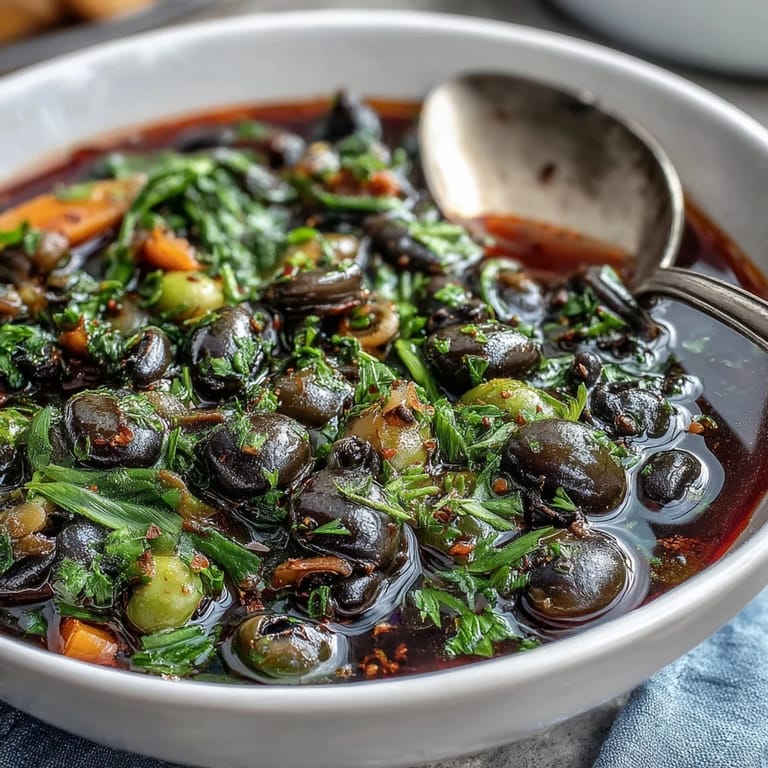
- Serve it piping hot in wide shallow bowls so you get greens, peas, and broth in every spoonful.
- A squeeze of fresh lemon juice or a dash of hot sauce at the table lets everyone adjust the brightness and heat to their preference.
- If the stew thickens too much in storage, thin it with extra broth when you reheat it gently on the stovetop.
 Save
Save This stew reminds me every time I make it that the best recipes are the ones that connect us to people and moments, and that slowing down in the kitchen is one of the kindest things we can do for ourselves and everyone we feed. Make it, share it, and watch it become part of your own story.
Recipe FAQs
- → Can I make this stew vegan?
Yes, simply omit any smoked meats or liquid smoke and use vegetable broth to keep it fully plant-based.
- → How do I adjust the spice level?
Increase jalapeño or cayenne pepper amounts to add more heat, or remove them for a milder flavor.
- → What sides pair well with this dish?
Cornbread, rice, or warm crusty bread complement the hearty flavors beautifully.
- → Can I use dried black-eyed peas instead of canned?
Yes, soak and cook dried black-eyed peas until tender before adding them to the stew.
- → How long should the stew simmer?
Simmer covered for 45-50 minutes until collard greens are tender and flavors meld well.