 Save
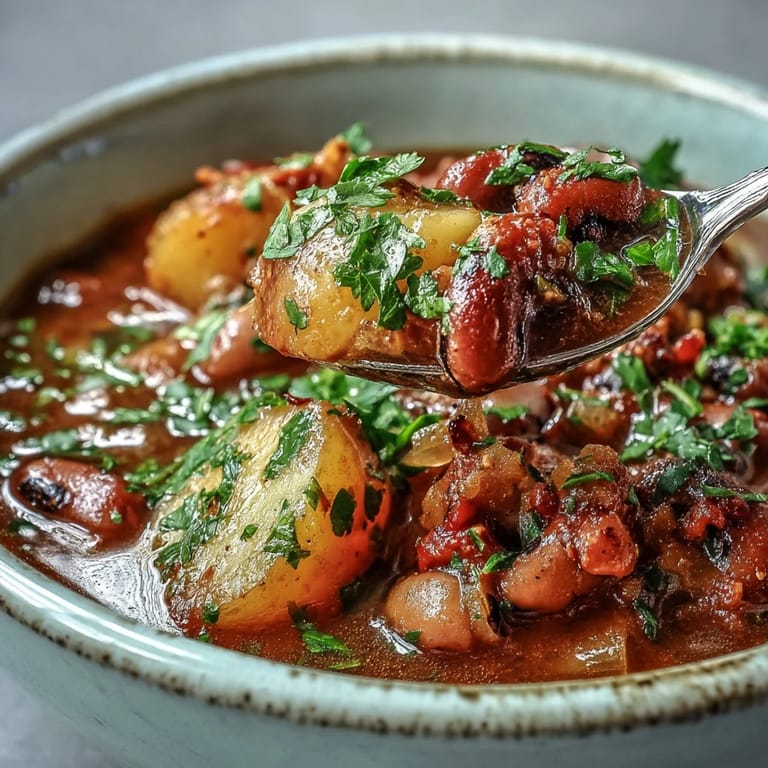
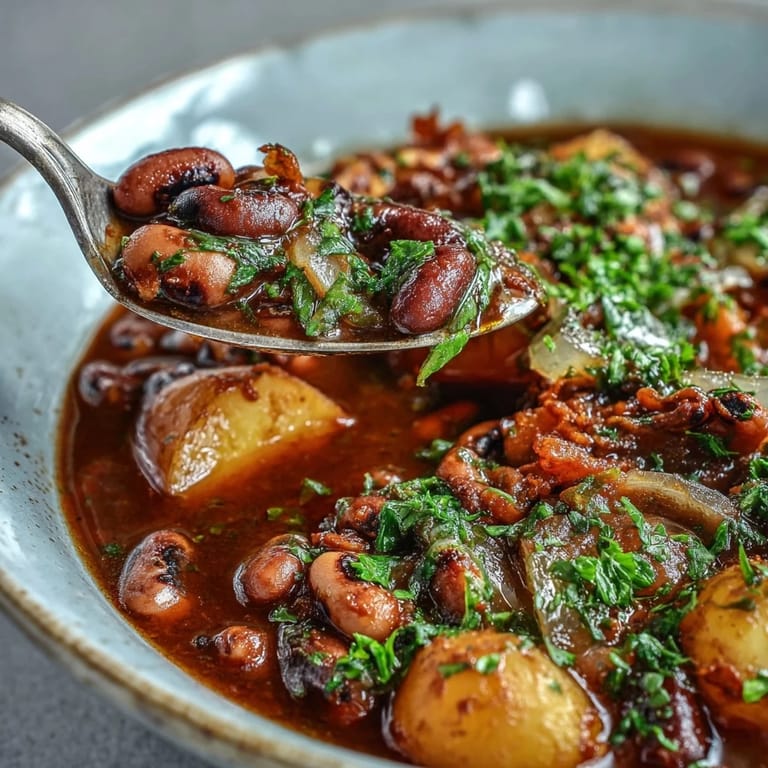
Save My neighbor knocked on my door one October afternoon with a mason jar of black-eyed peas from her garden, and honestly, I had no idea what to do with them. After some fumbling around the kitchen, I landed on this stew—a humble, warming dish that turned out to be exactly what that chilly evening needed. The smell alone had her asking for the recipe before she'd even tasted it.
I made this for a potluck once, worried it might get lost among fancier dishes, but three people came back asking for seconds and the pot arrived home empty. That's when I realized comfort food doesn't need to be complicated—it just needs to be made with attention.
Ingredients
- Extra virgin olive oil: Don't skimp here; it's the foundation that carries the flavor of your vegetables into the broth.
- Large sweet onion: Regular onions work, but sweet ones add a subtle caramel note that makes the whole pot taste better without any added sugar.
- Carrots and celery: The holy trinity begins here—these aromatics build layers of flavor that the broth will deepen.
- Medium potatoes: They thicken the stew naturally and add substance without needing cream or flour.
- Canned diced tomatoes: If you use fresh tomatoes, choose ones that are ripe and fragrant; canned works beautifully when fresh aren't available.
- Garlic cloves: Mince them fine so they dissolve into the broth rather than sitting as chunks.
- Cooked black-eyed peas: If using canned, rinse them well to remove excess sodium and starch.
- Vegetable broth: Low-sodium broth lets you control the final salt level, which matters more than you'd think.
- Bay leaf: It quietly anchors everything without announcing itself—remove it before serving.
- Dried thyme and smoked paprika: These two are the secret handshake that makes this stew taste intentional and warm.
- Fresh parsley: Save it for garnish; the brightness at the end lifts the entire bowl.
Tired of Takeout? 🥡
Get 10 meals you can make faster than delivery arrives. Seriously.
One email. No spam. Unsubscribe anytime.
Instructions
- Build your flavor base with heat:
- Pour olive oil into your pot over medium heat and let it warm for a moment—you'll know it's ready when it shimmers slightly. Dice your sweet onion small and add it, listening for that gentle sizzle as it hits the pan, stirring occasionally until the edges turn translucent and the kitchen starts smelling like dinner.
- Layer in the supporting vegetables:
- Add carrots and celery, giving them a 4-minute head start in the warmth. They should soften just enough to become fragrant without losing their structure, and you'll notice the pot smells noticeably deeper now.
- Add potatoes and awaken the garlic:
- Stir in your diced potatoes for 2 minutes to coat them lightly with the oil, then add minced garlic. That moment when the garlic hits the pan and releases its sharp, fresh aroma is your signal that everything is coming together correctly.
- Pour in the liquid and seasonings:
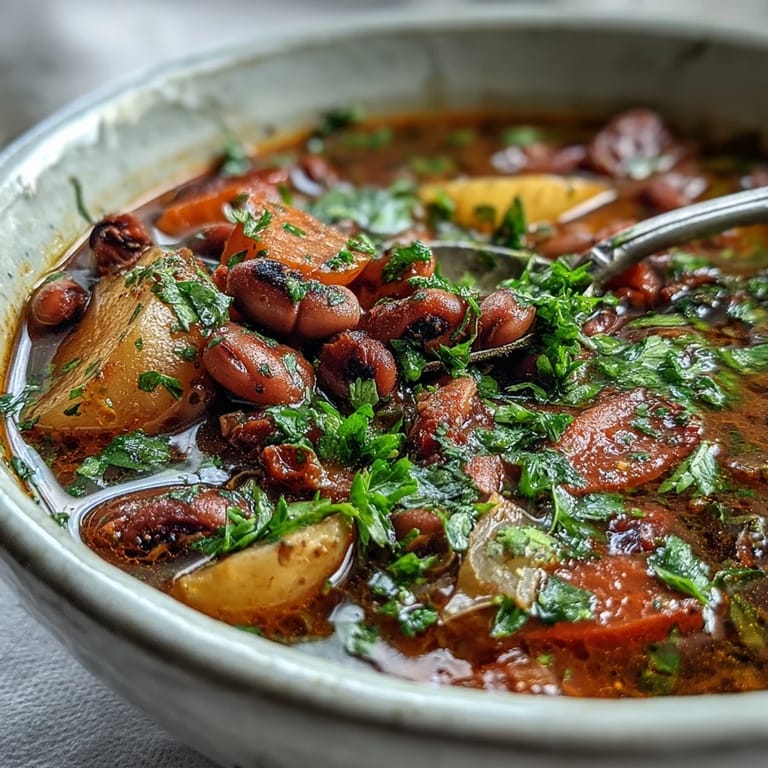
- Add tomatoes with their juice and the vegetable broth, then drop in your bay leaf and sprinkle in the thyme, smoked paprika, pepper, and salt. Stir gently, making sure the spices distribute evenly throughout, and you should see the broth deepen to a warm rust-brown color.
- Simmer until vegetables soften:
- Bring the pot to a gentle boil, then lower the heat so it's barely bubbling—you want a quiet simmer, not an aggressive one. After about 15 minutes, test a carrot and potato with a fork; they should offer no resistance.
- Welcome in the black-eyed peas:
- Stir in your drained peas and let everything simmer together for another 10 minutes so the flavors can marry. The broth will become slightly thicker and more cohesive as the vegetables release their natural starches.
- Taste and adjust:
- Fish out the bay leaf first, then take a small spoonful of broth and taste it honestly. If it needs more salt or a whisper more paprika, add it now while there's still time for it to settle in.
- Finish with fresh parsley and serve:
- Stir in your fresh chopped parsley just before ladling into bowls—this keeps it bright and fragrant rather than cooked down into the broth. A garnish of extra parsley on top adds visual warmth and a final fresh note.
 Save
Save There's something grounding about serving a bowl of stew to someone on a cold day and watching their shoulders relax as they eat. This dish does that—it asks nothing fancy of you, but it delivers warmth and care in every spoonful.
The Magic of Smoked Paprika
I didn't understand smoked paprika until I made this stew without it once, and the result was flat and one-dimensional. Now I know it adds a subtle campfire note that makes vegetables taste deeper and richer, like you've somehow cooked them over embers. It's not about heat—it's about character.
Timing and Texture
The key to a good stew is knowing when to add each element so everything finishes tender at the same time. If you add potatoes at the same moment as onions, one will fall apart and the other will stay hard. That staggered cooking is what gives this stew its pleasant, varied texture that keeps each spoonful interesting.
Making It Your Own
Once you understand the basic structure—soften aromatics, add harder vegetables, pour in liquid, simmer gently—you can play with what goes into the pot. I've added chopped kale in the last few minutes, a pinch of liquid smoke for depth, and even swapped in cannellini beans when I ran out of black-eyed peas. The formula is flexible, which is part of why I keep coming back to it.
- A splash of liquid smoke or a diced chipotle pepper adds smoky complexity if you're drawn to bold flavors.
- Adding tender greens like kale or spinach in the final 5 minutes boosts nutrition and adds a peppery brightness.
- Serve it over rice or with crusty bread alongside to soak up every last bit of that savory broth.
 Save
Save This stew has become my go-to when I want to cook something nourishing without fuss. It's the kind of dish that tastes better on day two, so don't hesitate to make it ahead.
Recipe FAQs
- → Can I use dried black-eyed peas instead of canned?
Yes, soak 1 cup dried peas overnight, then cook until tender before adding to the stew. This will extend total preparation time but yields excellent texture.
- → How do I store leftovers?
Cool completely and refrigerate in airtight containers for up to 5 days. The flavors continue developing, making it even better the next day.
- → Can I freeze this stew?
Absolutely. Portion cooled stew into freezer-safe containers for up to 3 months. Thaw overnight in refrigerator before reheating gently on the stovetop.
- → What vegetables work well as substitutions?
Try adding bell peppers, kale, spinach, or sweet potatoes. The base formula remains flexible based on seasonal availability or personal preference.
- → How can I make this more protein-rich?
Stir in chopped kale or spinach during the final 5 minutes of cooking, or serve with quinoa instead of rice for additional plant-based protein.