 Save
Save My friend texted me three days before her graduation with a photo of a plain white cake from a grocery store bakery, followed by crying emojis. She'd ordered it months ago and forgotten entirely until the morning of her celebration. I showed up at her apartment with flour on my sleeve and a determination to fix things, and we spent the afternoon layering vanilla sponge with silky buttercream while she told stories about late-night study sessions and unexpected friendships forged in lecture halls. By the time we pressed those first delicate gold leaves onto the frosting, she was laughing instead of panicking, and I realized this cake had become part of her victory lap.
The night before I made this cake for real, I watched my neighbor's teenage son pace their driveway, diploma in hand, looking almost bewildered at what he'd accomplished. His mom had asked if I could help with dessert for his small gathering, and I thought about how this cake could be that perfect symbol of elegance and recognition he deserved. When we brought it out, his whole face changed—not because of sugar, but because someone had taken the time to make his moment feel genuinely special.
Ingredients
- All-purpose flour: This is your structural backbone, and measuring by weight rather than volume gives you consistent layers every single time.
- Baking powder: Fresh baking powder matters here; if yours has been open for over six months, grab a new container to ensure your cake rises with proper height and delicate crumb.
- Unsalted butter: Room temperature butter creams with sugar to create the airiness you need, and unsalted lets you control the salt balance perfectly.
- Granulated sugar: This dissolves completely into your batter and buttercream, creating that smooth, refined texture that makes this cake feel special.
- Eggs: Room temperature eggs blend seamlessly into your batter without creating lumps or breaking the emulsion you've worked to build.
- Vanilla extract: Real vanilla extract, not imitation, gives the cake a warmth and complexity that artificial flavoring simply cannot match.
- Whole milk: The acidity and fat content in whole milk keeps your sponge tender and prevents it from becoming dry, even if baked a minute or two longer than intended.
- Egg whites and sugar for buttercream: Heating egg whites to 160°F ensures safety, and beating them into stiff peaks creates the stability that makes this buttercream both luxurious and structurally sound.
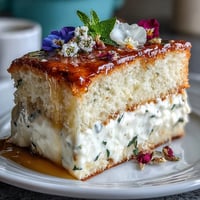
- Edible flowers: Source these from specialty food suppliers or farmers' markets where you can confirm they're grown pesticide-free and labeled specifically as edible.
- Edible gold leaf: Pure 24-karat gold leaf is the standard choice and adds that shimmering elegance without any metallic aftertaste.
Tired of Takeout? 🥡
Get 10 meals you can make faster than delivery arrives. Seriously.
One email. No spam. Unsubscribe anytime.
Instructions
- Set your stage:
- Preheat your oven to 350°F and grease three round pans with butter, then line them with parchment paper so your layers release cleanly. This prep work takes five minutes but saves you from frustration later.
- Build the dry foundation:
- Whisk your flour, baking powder, and salt together in a bowl and set it aside; this distributes the leavening evenly throughout your batter. Think of this as giving your cake the roadmap it needs to rise.
- Cream butter and sugar into clouds:
- Beat softened butter with sugar until the mixture looks pale, fluffy, and almost mousse-like, which takes about three minutes. Listen for the mixer to sound lighter and fluffier than when you started—that's your signal that air has been properly incorporated.
- Add eggs with care:
- Drop in one egg at a time and beat well after each addition so the mixture stays emulsified and smooth. If it looks slightly curdled after adding eggs, don't panic; it will come together once you add the flour.
- Alternate wet and dry gently:
- Add flour mixture and milk in alternating batches, starting and ending with flour, mixing just until streaks of flour disappear. Overmixing develops gluten and makes the cake tough, so restrain yourself even though you might want to keep going.
- Divide and level:
- Distribute batter evenly among your three pans and smooth the tops with an offset spatula so they bake evenly. If you have cake strips or wet towels to wrap around the pan edges, use them now to prevent doming.
- Bake to doneness:
- Bake for 28 to 32 minutes until a toothpick inserted in the center comes out clean with just a few moist crumbs. The kitchen will smell like pure vanilla, and your cake will be set but still tender.
- Cool with patience:
- Let cakes rest in their pans for ten minutes so they set slightly, then turn them out onto wire racks to cool completely. Rushing this step can cause cakes to crack or crumble when you assemble them.
- Create Swiss meringue magic:
- Combine egg whites and sugar in a heatproof bowl set over simmering water and whisk constantly, watching the sugar dissolve and the mixture warm to 160°F in about five minutes. This ensures the egg whites are safe to eat while creating a stable base for your buttercream.
- Whip into stiff peaks:
- Transfer the warm mixture to a stand mixer and beat on high until stiff peaks form and the bowl cools to room temperature, which takes eight to ten minutes. You'll see the mixture transform from glossy and warm to thick, white, and cloud-like.
- Incorporate butter slowly:
- Reduce mixer speed to medium and add butter a few cubes at a time, beating after each addition until the mixture is smooth and holds peaks. If it looks curdled or breaks, don't give up; keep beating or briefly warm the bowl under warm water and continue.
- Season and finish:
- Add vanilla extract and a pinch of salt, which brightens the buttercream flavor without making it taste salty. This final step transforms good buttercream into something that tastes like pure elegance.
- Layer with precision:
- Place one cake layer on your serving plate, spread with buttercream, and repeat with the remaining layers, using an offset spatula to keep edges clean. Level your cake layers with a cake leveler or serrated knife if they've domed slightly, creating a stable structure.
- Apply the crumb coat:
- Cover the entire assembled cake with a thin layer of buttercream, chill for twenty minutes, then apply a final smooth layer. This technique traps crumbs beneath the first coat so your final frosting looks pristine.
- Apply gold leaf with finesse:
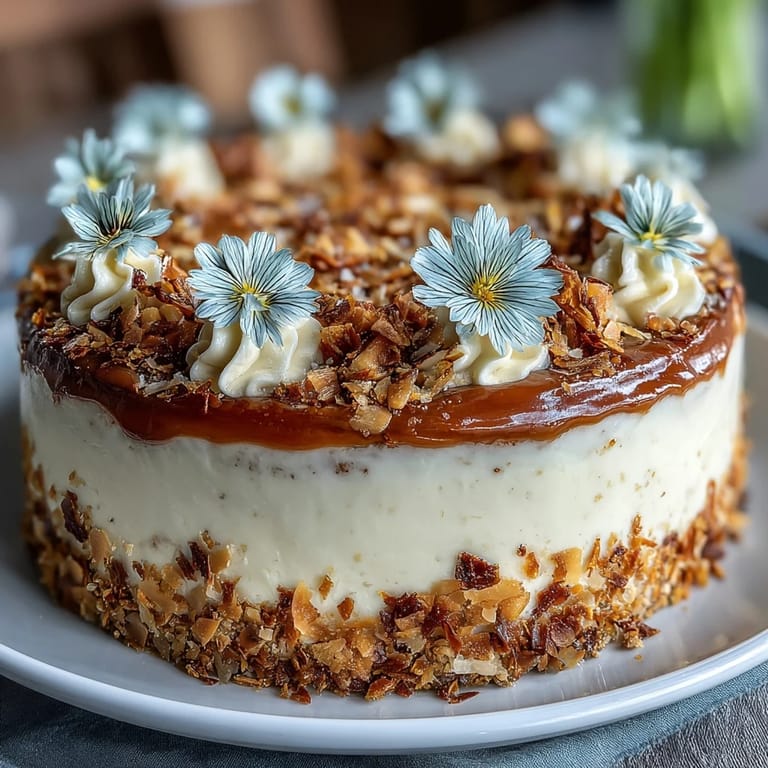
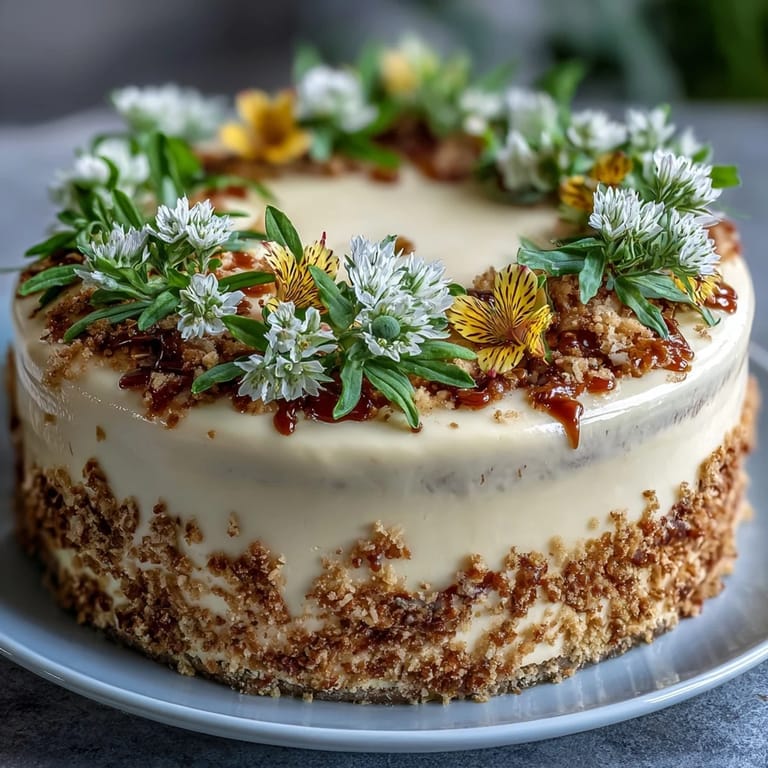
- Using a food-safe paintbrush, gently press edible gold leaf onto designated sections of the frosting, creating asymmetrical patterns that feel artful rather than stiff. Gold leaf is delicate and will adhere to the buttercream without needing any adhesive.
- Arrange flowers decoratively:
- Place edible flowers on the cake just before serving, positioning them to complement the gold leaf pattern and create visual movement. Fresh flowers will wilt within a few hours, so this is your final decorative touch.
 Save
Save I've made this cake now for three different celebrations, and each time someone asks if I hired a pastry chef, there's a moment where I could take full credit but choose instead to explain that it's just about understanding how each component works and treating the process like you're cooking alongside someone you care about. That conversation, that pause before the first bite, that's when you realize you've created something that matters beyond just calories and sugar.
Troubleshooting Common Cake Mishaps
Cake layers that dome in the middle are frustrating, but they happen because heat rises faster at the edges than the center. Wrapping wet towels around your pans or using cake strips equalizes the heat distribution and gives you level layers every time. I learned this the hard way after my first attempt, and now I never skip this step when I need perfection.
Scaling This Recipe for Different Occasions
The recipe as written serves twelve people generously, but celebrations come in all sizes. For a smaller gathering, you can make two layers instead of three and simply halve the buttercream recipe, which still gives you that elegant, tiered effect. For larger crowds, double the entire recipe and use six-inch pans instead of eight-inch, creating multiple smaller cakes that are easier to transport and serve.
Making This Cake Your Own
The beauty of this formula is that it welcomes creativity without losing its elegance. You can swap vanilla for almond extract, add lemon zest to the batter for brightness, or incorporate a thin layer of jam between the sponge and buttercream for subtle flavor complexity. The gold and flowers remain constant, but everything else bends to your instincts and the story you want to tell with this dessert.
- Pair the cake with champagne or prosecco for an extra celebratory moment that feels both special and approachable.
- Source your edible flowers the day before so you have time to gently rinse and dry them, ensuring they're pristine when you decorate.
- Remember that this cake can be made one day ahead, frozen, and decorated the morning of your celebration, which takes pressure off and lets you sleep the night before.
 Save
Save This cake exists because someone deserves to feel celebrated, and you're the person kind enough to make it happen. That's what makes it truly special.
Recipe FAQs
- → What type of flowers are suitable for decorating this cake?
Only edible flowers grown without pesticides, such as pansies, violets, and roses, should be used to ensure safety and flavor.
- → How is the Swiss meringue buttercream made?
Egg whites and sugar are heated slowly, then whipped until stiff peaks form. Butter, vanilla, and a pinch of salt are then incorporated until smooth and creamy.
- → Can the vanilla sponge be adapted for other flavors?
A chocolate variation can be made by substituting half a cup of flour with cocoa powder, adjusting the texture and taste.
- → What is the best way to apply the gold leaf?
Use a food-safe paintbrush to gently place edible gold leaf sheets onto the chilled cake surface without tearing.
- → How should the cake layers be cooled before assembly?
After baking, cool the layers in the pans briefly, then transfer to wire racks to cool completely for optimal texture and ease of assembly.