 Save
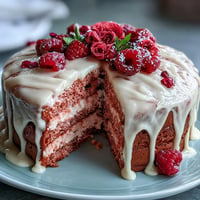
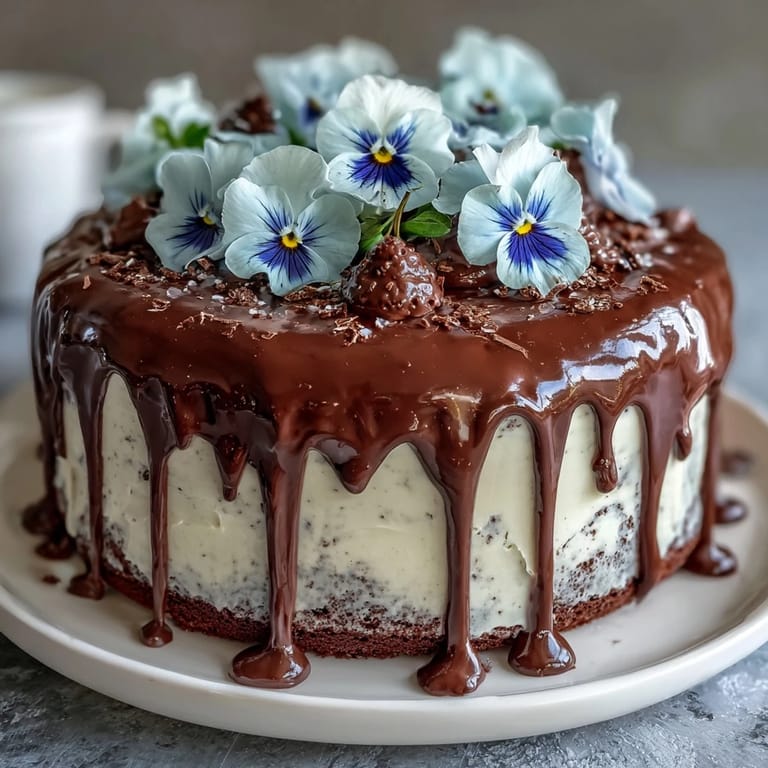
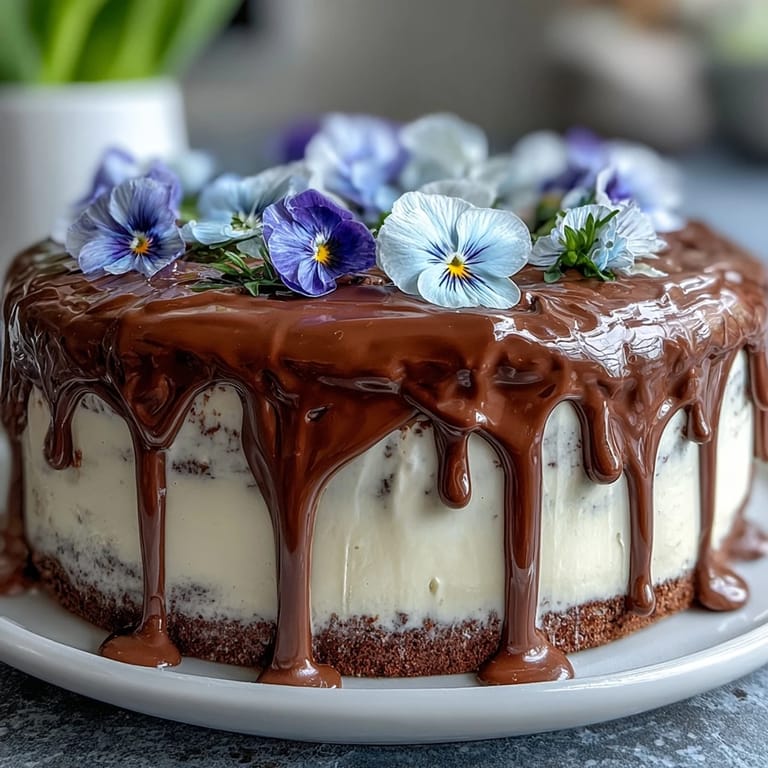
Save My friend texted me a photo of a spring wedding cake she'd seen at a boutique bakery, and I found myself staring at it for longer than necessary. The soft vanilla layers peeking through that glossy white chocolate drip, the scatter of edible flowers across the top—it felt like spring itself had landed on a cake stand. I became obsessed with recreating it, but I wanted the lemon frosting to sing, bright and tangy enough to cut through the sweetness. After a few kitchen experiments and one very frosting-splattered apron, this cake became the version I'd been searching for.
I made this for my sister's garden party last June, and watching people's faces light up when they saw it emerge from the kitchen made every careful piping motion worth it. Someone asked if I'd ordered it from a professional bakery, and I'll admit I let that compliment sit for a moment before confessing it came from my own oven. The cake disappeared faster than I expected, leaving only crumbs and requests for the recipe.
Ingredients
- All-purpose flour (2 ½ cups): The foundation of a tender crumb—don't skip the sifting step or you'll end up with a dense, heavy cake.
- Baking powder (2 ½ tsp): This is what gives the cake its airy lift and ensures even rise across all three layers.
- Unsalted butter (1 cup plus 1 cup for frosting): Room temperature butter incorporates air more easily, creating that light, fluffy texture that makes people ask for seconds.
- Granulated sugar (1 ¾ cups): The creaming process with butter is non-negotiable here—it's where the magic of light and fluffy happens.
- Large eggs (4, room temperature): Cold eggs won't blend smoothly, so pull them from the fridge at least 30 minutes before baking.
- Vanilla extract (1 tbsp): Use real vanilla; the imitation stuff just doesn't sing in a cake like this.
- Whole milk (1 cup, room temperature): Temperature matters because cold milk can cause the batter to seize up and separate.
- Powdered sugar (4 cups): Sift this before measuring to avoid dense, lumpy frosting.
- Fresh lemon juice (2 tbsp): Bottled lemon juice will taste flat and bitter—squeeze it fresh or you'll regret it.
- Lemon zest (2 tsp): This adds brightness that the juice alone can't deliver; use a microplane for the finest texture.
- White chocolate chips (1 cup): Choose good quality chocolate or the drip will seize up and turn grainy.
- Heavy cream (⅓ cup plus ⅓ cup): The drip depends on this ratio, so don't try to eyeball it.
- Edible flowers: Verify they're truly pesticide-free before decorating—this is non-negotiable for food safety.
Tired of Takeout? 🥡
Get 10 meals you can make faster than delivery arrives. Seriously.
One email. No spam. Unsubscribe anytime.
Instructions
- Set the stage:
- Preheat your oven to 350°F and line three 8-inch cake pans with parchment paper cut to fit the bottom—this step saves you from stuck cake disasters. Having everything prepped before you start mixing is the difference between a calm baking afternoon and a frantic scramble.
- Mix the dry foundation:
- Whisk flour, baking powder, and salt together in a medium bowl, making sure there are no hidden pockets of baking powder that will create bitter streaks. This simple step prevents the chalky taste that comes from uneven leavening.
- Cream butter and sugar into clouds:
- Beat softened butter and sugar for 3 to 4 minutes until it's pale, fluffy, and noticeably lighter in color—you're essentially whipping air into the mixture. Stop and scrape down the bowl halfway through to make sure every piece of butter gets incorporated evenly.
- Add eggs with care:
- Drop in one room-temperature egg at a time, beating well after each addition before adding the next. If you rush this step and dump all four eggs in at once, the batter will look curdled and broken, which will give you a dense cake even though it will technically still work.
- Flavor with vanilla:
- Mix in the vanilla extract until you can smell it, which usually takes just a few seconds of mixing.
- Alternate wet and dry carefully:
- Add the flour mixture and milk in alternating additions, always starting and ending with flour—this prevents overmixing and the tough, gummy crumb that comes with it. Mix on low speed until you just barely see no white streaks of flour.
- Fill and bake:
- Divide batter evenly among the three pans using an ice cream scoop or scale if you want them to bake evenly. Bake for 25 to 30 minutes until a toothpick comes out with just a few moist crumbs, then let them cool in the pans for 10 minutes before turning out onto wire racks—rushing this step will cause them to crack.
- Make lemon frosting:
- Beat cold butter until creamy, then gradually add sifted powdered sugar, beating until completely smooth before adding any liquid. Mix in fresh lemon juice, zest, and just enough milk to reach a spreadable consistency that's not too soft.
- Level, layer, and frost:
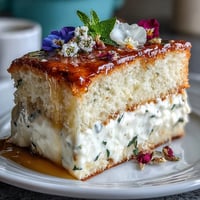
- Use a serrated knife or cake leveler to create flat surfaces on each cake layer, then place the first layer on your serving plate and spread frosting generously before adding the next layer. Once all layers are stacked, frost the top and sides smoothly, using an offset spatula to create clean lines.
- Create the white chocolate drip:
- Heat heavy cream until steam rises from it, then pour it over chopped white chocolate in a heatproof bowl and let it sit untouched for 2 minutes. Stir gently until completely smooth, then add gel coloring if you want pastel shades, and let it cool to a pourable but slightly thickened consistency.
- Drip with intention:
- Using a spoon or squeeze bottle, let the white chocolate ganache run down the sides of the cake in organic, uneven lines—this is where you stop overthinking and let it do what it wants to do. Spread any remaining ganache across the top with a gentle hand.
- Finish with flowers:
- Scatter edible flowers, sprinkles, and lemon zest across the top in whatever arrangement feels right to you in that moment.
 Save
Save There's something about handing someone a slice of this cake and watching them take that first bite—the moment when they taste the lemon cutting through the sweetness, see the delicate layers inside, and understand that you made something beautiful with your own hands. That's when a cake becomes more than calories and crumbs.
The Science of Spring Cake Structure
A three-layer cake needs stronger structure than a simple two-layer cake, which is why the ratio of sugar to flour and the creaming method matter so much here. When you cream butter and sugar together, you're creating tiny air pockets that expand during baking and give the cake its light, tender crumb. This is also why overmixing the batter after adding flour destroys that careful architecture—you're crushing those bubbles and developing gluten, which makes everything tighter and tougher.
Lemon Frosting: Balancing Brightness and Sweetness
The trick to lemon frosting that doesn't taste like sweetened lemon juice is using both fresh juice and zest, which contribute different flavor compounds. The juice provides tartness and acidity, while the zest adds aromatic oils and bitterness that round out the sweetness. Most bakery frostings are too sweet because they use extract or a tiny squeeze of juice, not enough to actually change the flavor profile of all that powdered sugar.
Decorating Without Stress
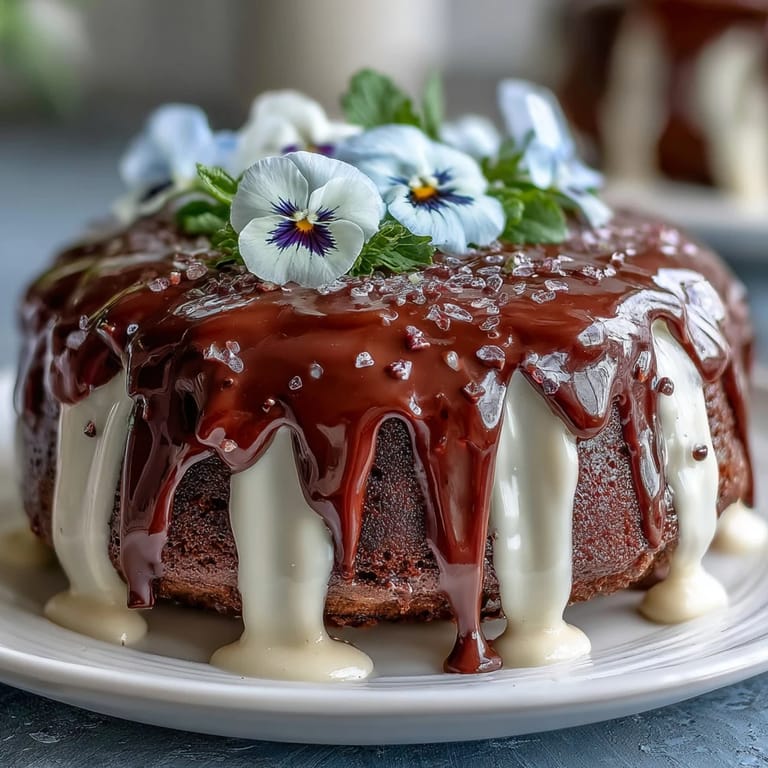
The beauty of this cake is that imperfection is actually part of the aesthetic—drips that are wonky, flowers placed haphazardly, colors that don't match exactly. When I first made it, I worried endlessly about making everything look bakery-perfect, but then I realized the charm is in it looking handmade, like something a friend labored over for you. You don't need special tools or training to make it stunning; you just need to be willing to embrace the process and let go of control.
- Edible flowers should be placed just before serving so they stay fresh and don't wilt into the frosting.
- If you can't find edible flowers at your grocery store, specialty cake decorating shops or online retailers often carry them year-round.
- Always confirm that any flowers are truly pesticide-free—contact the grower if you're buying fresh from a farmer's market.
 Save
Save This cake has a way of becoming the highlight of whatever celebration you bring it to, turning an ordinary afternoon into something worth remembering. Bake it with intention, serve it with joy, and let people taste the care you put into every layer.
Recipe FAQs
- → How can I ensure the edible flowers are safe for decorating?
Choose pesticide-free, food-safe flowers like violets, pansies, or rose petals. Always verify their edibility with a trusted source before use.
- → What alternatives can I use for the white chocolate drip?
Try using a dark or milk chocolate ganache made with similar cream proportions for a different flavor and color contrast.
- → Can I make this cake gluten-free?
Yes, substitute the all-purpose flour with an equal amount of gluten-free flour blend suitable for baking.
- → How should I store the cake to maintain freshness?
Refrigerate the cake for up to three days. Bring it to room temperature before serving to enhance flavor and texture.
- → What drinks pair well with this floral lemon cake?
Pair with sparkling wine or a cup of Earl Grey tea to complement the citrus and floral notes of the cake.
- → How can I make the lemon frosting smoother if too thick?
Add small amounts of whole milk gradually while beating until reaching a spreadable consistency.